
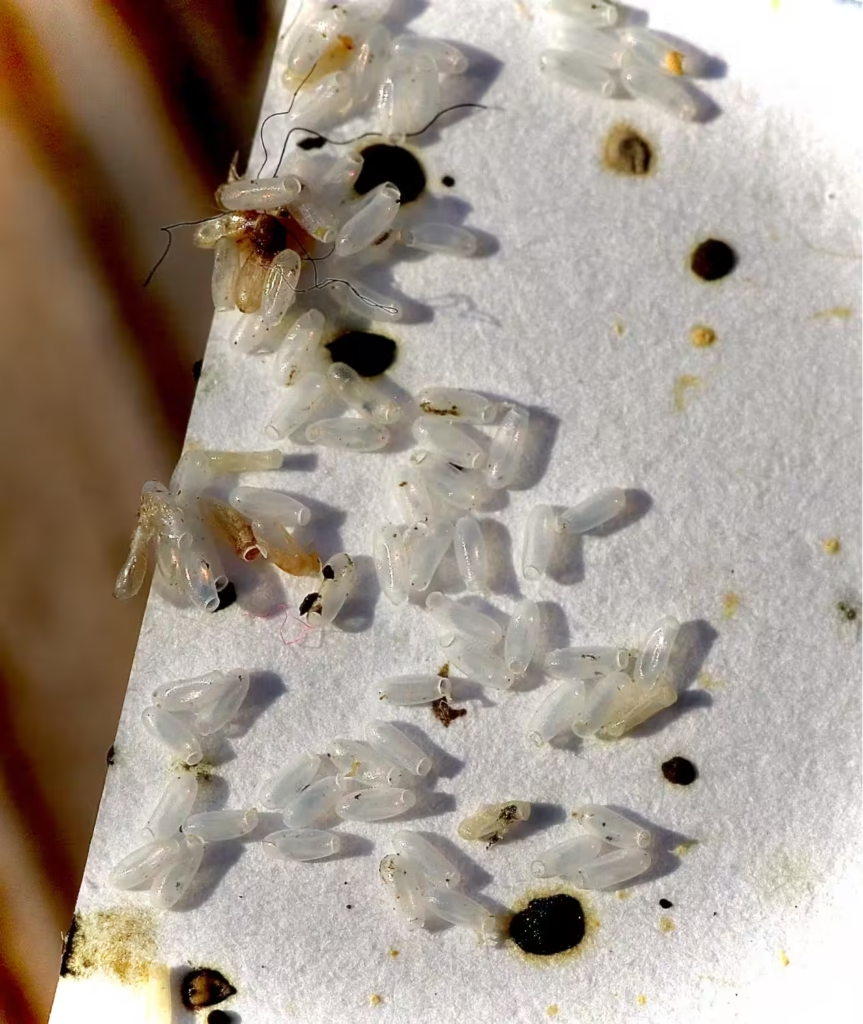
If you’re reading this, chances are you’ve discovered the nightmare that is a bed bug infestation. These persistent parasites can turn your peaceful bedroom into a source of anxiety and sleepless nights. The good news is that there is bed bug treatment that actually works – you just need to know which methods are proven effective and how to implement them correctly.
Bed bugs are notoriously difficult to eliminate because they’re excellent at hiding, can survive months without feeding, and have developed resistance to many common pesticides. However, with the right combination of treatments and persistence, you can successfully eradicate these pests from your home. This complete guide will walk you through evidence-based methods that have proven successful in real-world scenarios, helping you reclaim your sleep and peace of mind.
The key to successful bed bug elimination lies in understanding their behavior, identifying all infested areas, and applying multiple treatment methods simultaneously. Single-approach treatments often fail because bed bugs are resilient survivors – but comprehensive treatment plans have high success rates when properly executed.
Understanding Bed Bug Behavior and Identification
Before diving into treatment methods, it’s crucial to understand what you’re fighting. Bed bugs are small, oval-shaped insects about the size of an apple seed. They’re reddish-brown in color and become darker and more swollen after feeding on blood.
Key Behavioral Characteristics: Bed bugs are primarily active at night, typically feeding between 1 AM and 5 AM when their hosts are in deep sleep. They’re attracted to carbon dioxide, body heat, and certain chemical signals from humans. After feeding, they retreat to hiding spots within 5-20 feet of the sleeping area.
These pests prefer tight spaces where their bodies can touch surfaces above and below them – a behavior called thigmotaxis. This explains why they’re commonly found in mattress seams, box spring corners, bed frames, and furniture joints near sleeping areas.
Signs of Infestation: Look for rust-colored or reddish stains on sheets (crushed bed bugs), dark spots that are bed bug excrement, small blood stains from feeding, and sweet musty odors in heavily infested rooms. You might also find shed skins, as bed bugs molt five times before reaching maturity.
Heat Treatment: The Most Effective Professional Solution
Professional heat treatment represents the gold standard in bed bug treatment that actually works. This method involves raising the temperature of infested areas to 120-135°F (49-57°C) for several hours, which is lethal to all life stages of bed bugs, including eggs.
Why Heat Treatment Works: Heat penetrates into cracks, crevices, and materials where bed bugs hide, reaching areas that sprays and other treatments might miss. Unlike chemical treatments, bed bugs cannot develop resistance to lethal temperatures. The treatment kills adults, nymphs, and eggs in a single session when properly executed.
Professional Heat Treatment Process: Certified technicians use specialized heating equipment to gradually raise room temperatures while monitoring with sensors throughout the space. The process typically takes 6-8 hours, during which temperatures are maintained at lethal levels long enough to ensure complete elimination.
The success rate for professional heat treatment is approximately 97% when performed correctly, making it the most reliable single-session treatment available. However, it requires specialized equipment and expertise, making it a professional-only service.
Preparation and Cost Considerations: Heat treatment requires extensive preparation, including removing heat-sensitive items like electronics, medications, and certain plastics. The cost typically ranges from $1,200 to $2,500 for an average home, but the high success rate often makes it cost-effective compared to repeated chemical treatments.
What Kills Bed Bugs Instantly?
When dealing with bed bugs, many people want immediate results. While no treatment eliminates an entire infestation instantly, certain methods can kill bed bugs on contact and provide quick knockdown of visible populations.
Steam Treatment for Immediate Results: Steam at temperatures above 160°F (71°C) kills bed bugs instantly on contact. A quality steam cleaner can be used on mattresses, furniture, carpets, and other infested areas. The steam penetrates fabric and reaches bed bugs hiding in seams and crevices.
Apply steam slowly, moving the steamer at about 1 inch per second to ensure adequate heat exposure. Focus on mattress seams, box springs, bed frames, and upholstered furniture. The moisture from steam dissipates quickly, making this method suitable for most materials.
Alcohol-Based Sprays: Rubbing alcohol (70% isopropyl alcohol) kills bed bugs on contact by dissolving their protective waxy coating and causing dehydration. Spray directly on visible bed bugs and heavily infested areas. However, alcohol is flammable and provides no residual protection, so use with caution and ensure good ventilation.
Diatomaceous Earth (Food Grade): This natural powder kills bed bugs within 7-17 days by damaging their exoskeletons and causing dehydration. While not instant, it provides ongoing protection when applied to cracks, crevices, and areas where bed bugs travel. Use only food-grade diatomaceous earth and avoid inhaling the dust.
Cold Treatment: Extreme cold (below 0°F or -18°C) for at least 4 days can kill bed bugs. Small infested items can be placed in freezers, but this method is impractical for furniture and mattresses. Home freezers may not reach consistently low enough temperatures for reliable elimination.
Chemical Treatments That Actually Work
While bed bugs have developed resistance to some pesticides, certain chemical treatments remain effective when used as part of an integrated approach. The key is using products specifically designed for bed bugs and applying them correctly.
Pyrethroid-Based Insecticides: Modern pyrethroid formulations, especially when combined with synergists, can overcome some resistance mechanisms. Products containing deltamethrin, bifenthrin, or beta-cyfluthrin show good efficacy against susceptible bed bug populations.
Neonicotinoids: These newer insecticides work on the nervous system differently than pyrethroids and can be effective against resistant bed bug strains. Products containing imidacloprid or dinotefuran have shown promising results in professional treatments.
Desiccant Dusts: Silica gel and diatomaceous earth work by damaging the bed bug’s protective coating, leading to dehydration and death. These physical-action insecticides cannot be overcome by chemical resistance and provide long-lasting residual control.
Growth Regulators: Insect growth regulators like hydroprene disrupt bed bug development, preventing nymphs from maturing and reproducing. While slower-acting, they’re valuable components of comprehensive treatment programs.
Application Strategy: Effective chemical treatment requires targeted application to bed bug hiding spots rather than broadcast spraying. Focus on mattress seams, box springs, bed frames, baseboards, and furniture joints. Multiple treatments spaced 10-14 days apart are typically necessary to catch newly hatched bed bugs.
How Long Does It Take to Get Rid of Bed Bugs?
The timeline for complete bed bug elimination varies significantly based on infestation severity, treatment methods used, and environmental factors. Understanding realistic expectations helps maintain persistence through the treatment process.
Professional Heat Treatment Timeline: A single professional heat treatment can eliminate an entire infestation in one day when properly executed. However, preparation time and post-treatment monitoring extend the overall timeline to about 2-3 weeks.
Chemical Treatment Timeline: Chemical treatments typically require 6-12 weeks for complete elimination. Initial treatments reduce population significantly, but follow-up treatments are necessary to catch newly hatched bed bugs and any survivors. Most professional programs include 2-3 treatments spaced 2-3 weeks apart.
DIY Treatment Timeline: Do-it-yourself treatments generally take 2-4 months for complete success, depending on consistency and method effectiveness. DIY approaches require more persistence and monitoring because they typically involve lower-concentration products and less targeted application.
Factors Affecting Timeline: Infestation severity dramatically impacts treatment duration. Light infestations (confined to sleeping areas) resolve faster than heavy infestations that have spread throughout multiple rooms. Clutter levels also affect timeline – cluttered spaces provide more hiding spots and make treatments less effective.
Environmental factors like temperature and humidity affect bed bug development and treatment effectiveness. Warmer temperatures accelerate bed bug development, potentially requiring more frequent treatments, while also improving the effectiveness of heat-based treatments.
Do Bed Bugs Ever Go Away on Their Own?
This is a common question from people hoping to avoid the expense and effort of active treatment. Unfortunately, bed bugs will not go away on their own under normal circumstances.
Why Bed Bugs Don’t Disappear Naturally: Bed bugs are obligate parasites, meaning they require blood meals to survive and reproduce. As long as humans are present in the environment, bed bugs have their food source. They can survive 6-12 months without feeding under optimal conditions, waiting for hosts to return.
Female bed bugs can lay 1-5 eggs daily and up to 500 eggs in their lifetime. Even if feeding opportunities become scarce, established populations can persist and rebound quickly when conditions improve.
Rare Exceptions: The only scenarios where bed bugs might “disappear” naturally involve complete absence of hosts for extended periods (over a year in most cases) combined with unfavorable environmental conditions. This might occur in vacant properties with no human activity, but even then, survival is possible.
Temperature Extremes: Sustained temperatures above 113°F (45°C) or below 13°F (-10°C) can eliminate bed bugs, but these conditions rarely occur naturally in human-occupied spaces for sufficient duration.
The Risk of Waiting: Hoping bed bugs will disappear while continuing to live in infested spaces allows populations to grow exponentially. Early intervention is always more effective and less expensive than treating heavy infestations.
DIY Treatment Methods That Work
While professional treatment offers the highest success rates, effective DIY methods exist for those willing to invest time and effort into comprehensive approaches.
Integrated DIY Approach: Successful DIY treatment requires combining multiple methods rather than relying on any single solution. Start with thorough inspection to identify all infested areas, then apply heat, cold, physical barriers, and targeted insecticides systematically.
Heat Treatment for Small Items: Wash infested clothing, bedding, and fabric items in hot water (120°F or higher) followed by high-heat drying for at least 30 minutes. For items that can’t be washed, place them in the dryer on high heat for 30-40 minutes.
Mattress and Furniture Treatment: Vacuum all mattress surfaces, paying special attention to seams, tags, and head/foot areas. Use steam treatment on mattress surfaces and bed frames. Encase treated mattresses and box springs in bed bug-proof covers to trap any remaining bugs and prevent new infestations.
Environmental Modifications: Reduce clutter around sleeping areas to eliminate hiding spots. Move beds away from walls and ensure bedding doesn’t touch the floor. Install bed bug interceptors under bed legs to monitor and trap bed bugs attempting to reach sleeping areas.
Monitoring and Follow-up: Place sticky traps or interceptors to monitor treatment progress. Continue weekly inspections for at least 8 weeks after last signs of activity. Be prepared to repeat treatments as newly hatched bed bugs emerge.
Can You Feel Bed Bugs Crawling on You?
Many people report feeling sensations of bugs crawling on their skin, leading to the question of whether bed bugs are actually detectable during their nighttime feeding activities.
Physical Sensation of Bed Bugs: Most people cannot feel bed bugs crawling on them during normal feeding behavior. Bed bugs are lightweight (1-5 milligrams) and move slowly and deliberately to avoid detection. Their survival depends on feeding without waking their hosts.
When You Might Feel Them: You’re more likely to feel bed bugs during heavy infestations when multiple bugs are active simultaneously, or when bugs are disturbed and moving rapidly across skin. Some people with heightened sensitivity may detect the light movement, but this is uncommon.
Feeding Process: Bed bugs inject anesthetic compounds when they bite, numbing the area and preventing the host from feeling the feeding process. They also inject anticoagulants to keep blood flowing. This biological adaptation helps them feed undetected for 3-10 minutes per feeding session.
Phantom Sensations: Many people experiencing bed bug infestations report feeling crawling sensations even when no bugs are present. This psychological response, sometimes called “delusory parasitosis,” can persist even after successful treatment due to heightened anxiety and sensitivity.
Reality Check: If you’re consistently feeling crawling sensations, especially during daylight hours, consider other possibilities like dry skin, allergic reactions, or anxiety responses. Focus on visual evidence like bites, blood stains, or actual bug sightings for reliable infestation confirmation.
Prevention Strategies After Treatment
Successfully eliminating bed bugs is only half the battle – preventing reinfestations is equally important. Bed bugs are excellent hitchhikers and can easily be reintroduced from external sources.
Travel Precautions: Inspect hotel rooms before settling in, focusing on mattress seams, headboards, and upholstered furniture near sleeping areas. Keep luggage in bathrooms (hard surfaces with good lighting) while inspecting accommodations. Upon returning home, wash and dry all clothing on high heat and inspect luggage carefully.
Second-hand Furniture: Thoroughly inspect any used furniture, especially items that have been in sleeping areas. Pay particular attention to seams, joints, and crevices. Consider avoiding used mattresses, box springs, and upholstered furniture unless you can verify they’re bed bug-free.
Visitor Precautions: While it’s impractical to inspect every visitor, be aware that bed bugs can travel on clothing and personal items. If someone you know has bed bugs, take precautions like having them change clothes or shower before entering your home.
Ongoing Monitoring: Maintain bed bug interceptors under bed legs and continue periodic inspections of sleeping areas. Early detection of new introductions allows for quick intervention before populations become established.
Building-wide Issues: In apartment buildings or shared housing, coordinate with property management for building-wide inspections and treatments. Bed bugs can spread through wall voids, electrical conduits, and other building features.
Professional vs. DIY Treatment: Making the Right Choice
Choosing between professional treatment and DIY approaches depends on several factors including infestation severity, budget, and personal circumstances.
When to Choose Professional Treatment: Heavy infestations affecting multiple rooms require professional expertise and equipment. If you have limited time, physical limitations, or previous DIY attempts have failed, professional treatment offers higher success rates and faster resolution.
Professional treatment is also recommended for rental properties where landlord approval is required, or in situations where treatment failure could have serious consequences (such as business environments).
When DIY Might Work: Light, recently discovered infestations confined to sleeping areas can sometimes be successfully addressed with comprehensive DIY approaches. If you have time to dedicate to thorough, repeated treatments and can commit to long-term monitoring, DIY methods can be effective.
Cost Considerations: While professional treatment has higher upfront costs ($1,000-$3,000), repeated DIY attempts with multiple product purchases can become expensive. Factor in the value of your time and the stress of prolonged infestations when making cost comparisons.
Hybrid Approaches: Some homeowners successfully combine professional inspection and targeted treatment with DIY monitoring and maintenance. Professional heat treatment followed by DIY prevention measures can provide excellent long-term results.
Common Treatment Mistakes to Avoid
Learning from common mistakes can significantly improve your chances of successful bed bug elimination and prevent wasted time and money.
Inadequate Preparation: Failing to properly prepare treatment areas reduces effectiveness significantly. Don’t skip steps like washing and drying clothes, decluttering, and moving furniture away from walls. These preparations are essential for treatment access and success.
Single-method Reliance: Depending on only one treatment method, such as spraying insecticide or using diatomaceous earth alone, rarely achieves complete elimination. Bed bugs are too resilient and adaptable for single-approach treatments.
Insufficient Follow-through: Stopping treatment too early when adult bugs are no longer visible allows eggs and hidden populations to reestablish infestations. Continue monitoring and treatment protocols for at least 6-8 weeks after last activity signs.
Panic Responses: Throwing away furniture unnecessarily or moving to sleep in other areas can spread infestations rather than solving them. Bed bugs will follow their food source, and discarded items may still harbor bugs that can reinfest other furniture.
Ignoring Professional Advice: When working with pest control professionals, follow all preparation instructions and post-treatment guidelines precisely. Shortcuts in preparation or premature removal of protective encasements can compromise treatment effectiveness.
Conclusion and Next Steps
Bed bug treatment that actually works requires understanding, persistence, and often professional expertise. While these pests are challenging, they are not invincible. The most effective approaches combine multiple treatment methods, thorough preparation, and long-term monitoring to ensure complete elimination.
Heat treatment remains the most reliable single-session solution, while integrated chemical approaches can be effective with proper application and follow-through. DIY methods work best for light infestations when applied comprehensively and consistently.
Remember that successful bed bug elimination is a process, not a single event. Whether you choose professional treatment or DIY approaches, commit to seeing the process through to completion. Early intervention is always more effective and less expensive than treating established, heavy infestations.
Ready to reclaim your home from bed bugs? Start by conducting a thorough inspection to assess your infestation level, then choose the treatment approach that best fits your situation and budget. Don’t let these persistent pests continue disrupting your sleep and peace of mind.
If you’ve successfully eliminated bed bugs from your home, share your experience in the comments to help others facing similar challenges. For ongoing updates on pest control strategies and prevention tips, subscribe to our newsletter and stay informed about the latest developments in effective bed bug treatment methods.